Indeed, TiO2 nano-particles also known as little wonders serve to improve the performance and quality of all products in the manufacturing sector. By incorporating these minuscule particles into manufacturing processes, we can realize dramatic improvements that can make a big difference in the end product.
In the world of manufacturing, it’s all about the details. Titanium dioxide nano particles are not exception as well. These fine particles impart properties and functions to products that cannot be achieved with conventional materials. With the addition of these nano particles to the manufacturing process, manufacturers can create better quality products by delivering improved longevity, effectiveness and strength. For instance, application of titanium dioxide nano-particles to paint formulations in the automotive industry can provide coatings more resistant to scratch and UV, which makes for a longer-lasting and better-looking finish. In the field of electronics these nanos can improve the conductance and thermal stability of materials which translates to more efficient, reliable electronics. Titanium dioxide nano particles have many applications and their effect on the quality of the products is often extremely significant.
With changes in technology and evolving consumer desires, manufactures are continually looking for incruments. They represent the most ideal source to confront this problem is titanium dioxide nano particles. By harnessing the full potential of these nano particles in contemporary manufacturing methods, businesses may reach new levels of innovation and competitiveness. For example, the use of titanium dioxide nano particles results in new sunscreens for better protection against dangerous UV radiation in response to an increased need for improved cosmetic care. Furthermore in the building industry, when these nano particles are incorporated in materials they can make them stronger and more long-living. The potential applications of titanium dioxide nano particles in contemporary manufacturing technologies appear to be limitless, and provides the prospect for a future of better products that are also more cost-effective and environmentally friendly.
Then the slurry is heated in a kiln to an extremely high temperature, which causes the titanium dioxide particles to degrade into nano particles. These nano particles are subsequently cooled and dried to prepare for their utilization in different applications.

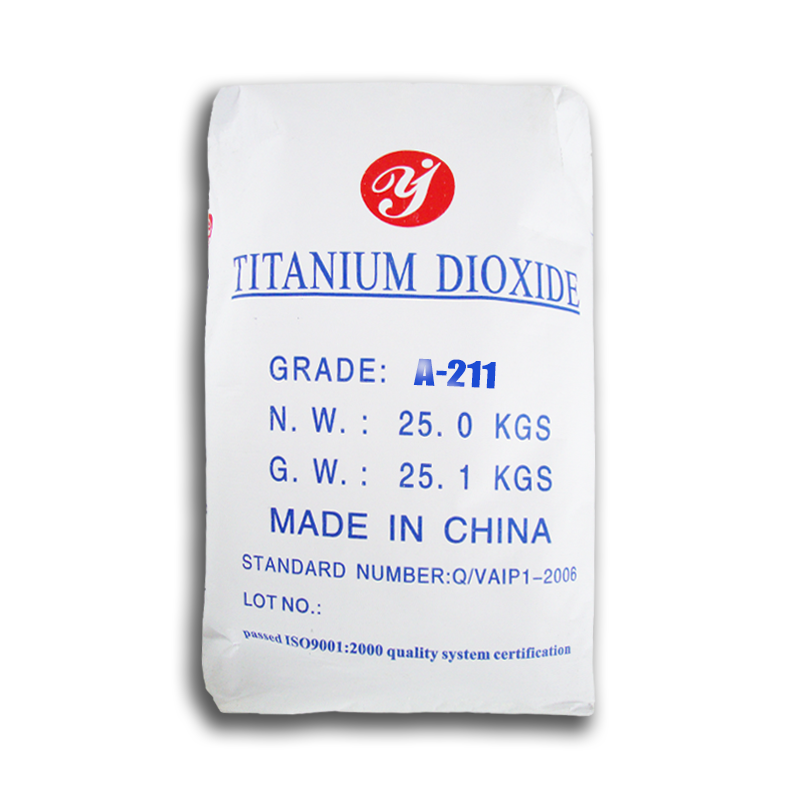
Applications of titanium dioxide nano particles in the automotive industry. It is primarily used in manufacturing automotive paints and coatings. These nano particles are mixed into the paint to make it more resilient, scratch resistant and uv protecting. ANATASE titanium dioxide A211
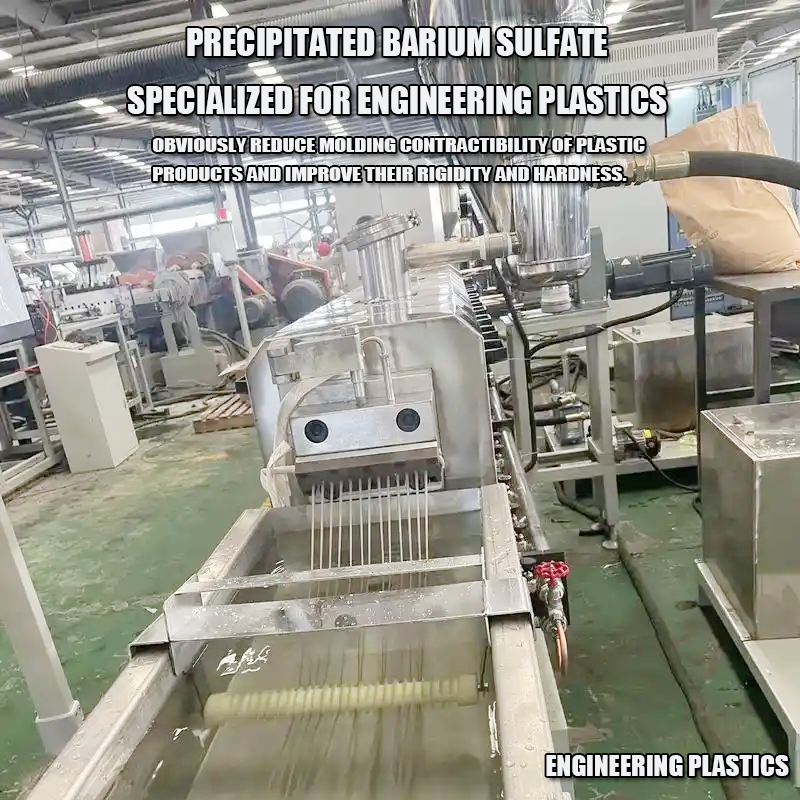
Titanium dioxide nano particles are used in manufacturing of automotive plastics and composites as well. These nano particles contribute to enhance the strength, wear resistance and thermal stability of these materials, which are required for automobiles' construction. ANATASE titanium dioxide A200
Whether titanium dioxide nano particles are currently unsafe for human consumption is a topic of continuing research and public debate. Titanium dioxide is regarded safe to use in the food and pharmaceutical industry, but questions about the safety of nano-particles have been raised.
Adhering to our philosophy of "We just provide service," we focus on providing tailored application technology solutions, professional support, and a precise procurement chain to enhance our clients' production efficiency and product quality.
Backed by ISO, SGS, RoHS, REACH, and CE certifications, along with 15+ years of export expertise, we ensure compliant, efficient global logistics and customs clearance, serving 100+ countries across 30+ industries.
We control our supply chain through multiple production bases for titanium dioxide (150,000-ton annual capacity) and other materials, enabling true one-stop sourcing, customization, and guaranteed supply to reduce costs and lead times for clients.
With dedicated departments for key products like titanium dioxide (20 years), barium sulfate (15 years), and others, we offer deep expertise across a comprehensive range of inorganic powders, supported by strategic partnerships with 30+ leading manufacturers.
 EN
EN