 EN
EN

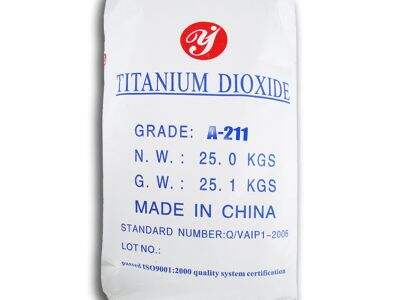
THERE ARE ALSO sometimes when your coating isn’t as white as you would like it to be. You may suspect it’s simply a function of how you mix it or apply it, but there are reasons why this happens often inside the materials themselves, and particularly one material in particular, titanium dioxide. It’s the titanium dioxide that makes coatings bright and white. The solution is simply to pickers the right type and grade of titanium dioxide. If the titanium dioxide isn’t up to snuff, you may end up with a dull or grayish coating, maybe even yellowish, no matter how tenderly you treat your paint. We are well aware of this at Liangjiang because we have already helped lots of customers here who lost their coating color and turned it back by using solid quality tio2. This one you got right and your coating will glow with pure, clean white every time
Why Titanium Dioxide Quality Affects the Performance of Wholesale Coatings
Titanium dioxide is not your average white powder. Its quality determines how your coating will last over time and how bright it looks. For instance, titanium dioxide won’t scatter light effectively when it has either large particles or the wrong crystal form. It appears less bright, and is sometimes chalky. For wholesale coating, this is a big deal: Customers rely on consistent whiteness in every batch. When the titanium dioxide is impure or improperly processed, the coating can yellow over time or quickly lose its color if exposed to sunlight. What this translates to is the coat getting dull fast which is not good for business. As a part of titanium dioxide standard controls, Liangjiang’s titanium dioxide undergo stringent control for particle size and purity. If the particles are too big, for instance, the coating feels gritty and rough. If they are too small, however, and not processed correctly the coating may then become sticky or difficult to apply. We found that after numerous tests and actual factory runs. The crystal form is also important: Rutile titanium dioxide reflects more light and resists yellowing, unlike the anatase type. Some more affordable titanium dioxide combines both forms, which can muddy the hue. Our practice also indicates that choosing high-class rutile titanium dioxide from Liangjiang will keep your painting white, smooth and will give it durability. That’s why selecting the correct item also impacts the success of the wholesale coating, not only the formula or even simply of a device
How to get consistent white coatings with the right titanium dioxide
The issue of getting white coatings that always look the same is a great challenge. The secret is the careful selection and handling of just the right titanium dioxide. At Liangjiang, we work on ensuring every batch of titanium dioxide being sent out from the factory are all same in color, size and purity. To keep coatings white perpetually, you also have to match titanium dioxide with your coating formula. For instance, high-oil-and-binder coatings require titanium dioxide that doesn't clump or sink. Sometimes, even the same titanium dioxide acts differently in different formulas. We realized that if we worked closely with the customer, or tried first to test small batches and fine-tune the mixing process and tweak additives, you can significantly get a coating’s whiteness up. And even in storage, it matters: If titanium dioxide gets wet or dirty it can lose quality. Keeping the coating’s white sharp is easy with fresh, clean Liangjiang titanium dioxide, stored correctly. Another tip is to regulate how much titanium dioxide you incorporate. Too much makes the coating heavy; too little, and the white effect is reduced. For best results, we suggest precise measuring tools and mixing times. Our experience in manufacturing has shown us that the right titanium dioxide, along with good handling and formula balance, are what make coatings appear bright and keep looking white for a long time. It’s not magic, but good science and care
Why Some Wholesale Coatings Don’t Get You To Pure White
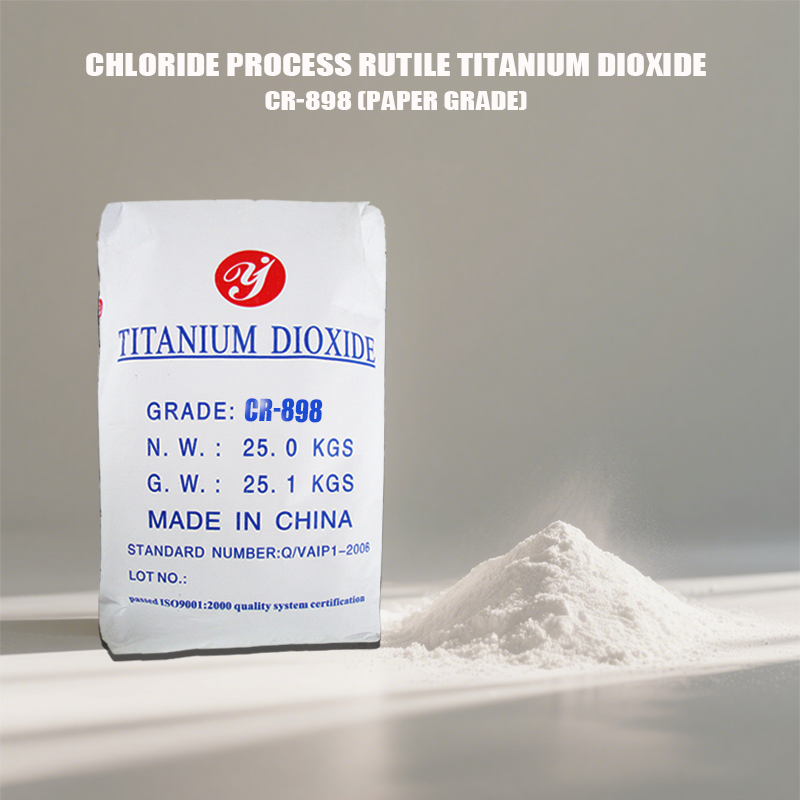
When you purchase coatings in big containers to paint surfaces or protect them, you expect that the color will be a bright pure white. But occasionally, after mixing and applying the coating, that white looks muted, grayish or not as bright as you intended. There are many reasons this can happen, but one of the most influential is what sort of things go into paint, specifically titanium dioxide (TiO2). Titanium dioxide is the chief whitening part in most finishes since it bounces light and bathes surfaces with brightness and white. But all titanium dioxide is not created equal. Some varieties have larger or smaller particles, different shapes or varying degrees of purity. When the coatings contain titanium dioxide that is not the proper grade, they will not be as white or as bright. Also, some paints may cut back on titanium dioxide to save money, and that can weaken the white color. Another reason is the way the titanium dioxide interacts with other compounds. If it isn't spread smooth and even, or clumps up, the coating will appear splotchy or have less white. On occasion other compounds within the coating may alter the color slightly, making it less pure. These are typical issues wholesalers face as they typically concentrate on minimum cost or highest productivity. But if you crave a coating that’s really white and bright, it behooves you to think more about where the titanium dioxide went, ultimately how much of the good stuff is actually in there. At Liangjiang, we get it. We always select our titanium dioxide among the best and we pay extra attention to blending it into our coatings with care. That helps our customers achieve the pure white results they are looking for without any yellow or gray tones. So if your coating’s not white enough, it could be that you have the wrong grade of titanium dioxide or that it was mishandled during manufacture
Which Are the Superior Grades of Titanium Dioxide for Industrial Coating Wholesalers
Titanium dioxide is not all the same. For coatings in the high scatter, highly reflected, "white" range of performance especially for closely matching large color installations it is preferable to use one of the grades of Titanium Dioxide which has a higher index of refraction, or opacity. There are many grades, but the highest quality ones have fine particle size, high purity and special surface treatments. These characteristics allow the titanium dioxide to disperse light more effectively, so that the coating appears whiter, brighter. One key influence is the size of particles. Smaller particles may be easily distributed and a smooth surface can be obtained, so that whiteness is increased. But if the particles are too small or too large, the coating may lose brightness or durability. The second important point is the crystal structure of TiO2. The two prime types are rutile and anatase. Rutile is more stable and durable, so it’s typically used for industrial coatings that require a long-lasting whiteness. There is better hiding power for pure grades of rutile titanium dioxide, suc as, the paint can completely cover a colored surface without the old color showing through. Surface modification of titanium dioxide is also very crucial. To which end water or chemicals may be comprised in the coatings that would be prone to react with titanium dioxide. Special surface coatings on titanium dioxide particles protect them and enhance how well they mix with other ingredients. These treatments ensure the coating remains white and strong all through. Liangjiang can offer high grades of titanium dioxide to comply with such criteria. We selected the rutile mode of TiO 2 which has been processed on particle size and surface treatment. This means our wholesale industrial coating suppliers receive products that offer superior whiteness, toughness and performance. For the best titanium dioxide, it’s not all about price; it’s about quality to fit customers’ requirements.” We ensure that our coatings contain the correct titanium dioxide for your projects to look great
How to Solve White-Off in High Speed Coating Applications
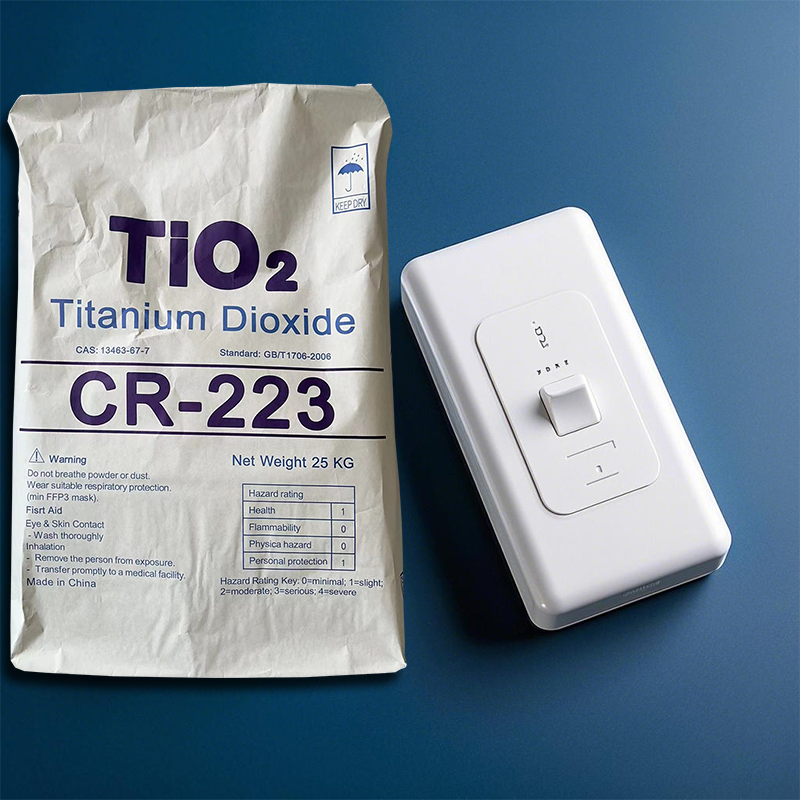
If you are working with materials on the larger side that use coatings and you feel that the white is not bright enough or pure, then don’t be concerned. Here are a few things to check and fix the issue. First, consider the quality of the titanium dioxide. If you’re in doubt as to the grade, or where it came from, ask your supplier for specifics. You just can't use such poor quality titanium dioxide and achieve bright white colors. At Liangjiang, we suggest you to use the rutile type titanium dioxide with excellent surface. Then, see how the coating is blended. The titanium dioxide may appear uneven if it is not distributed evenly. Be certain to mix coatings well and do not let the mixture stand. Pigment spread is improved when applying the right mixing tool and speed. Then of course there are the other ingredients in the breading. Whiteners Some whitening effects are achieved by altering the amount of light reflected from the surface, Whitodge said. If you notice this issue, consider decreasing or swapping out these ingredients. Water quality may additionally influence whiteness of the coating, particularly for water-borne coatings. Insufficiently treated water could cause adding of clumps titanium dioxide. This is something that using clean, filtered water can help fix. Application methods matter too. If the coating is too thin or too thick, the color may not appear correctly. For best results, use the recommended thickness and drying time. Finally, environmental conditions such as temperature and moisture can also impact drying process and colour. Attempt to apply finishes in the appropriate conditions. If these problems persist, experimenting with small amounts of the samples on a test area prior to full application can save time and money. At Liangjiang we are there to assist our customers in identifying these challenges. We share advice on how to select the best titanium dioxide, how to mix it properly and tricks for application. With the tips above, you can enhance the whiteness of your coatings and ensure that even your large projects provide a bright and professional appearance
Table of Contents
- Why Titanium Dioxide Quality Affects the Performance of Wholesale Coatings
- How to get consistent white coatings with the right titanium dioxide
- Why Some Wholesale Coatings Don’t Get You To Pure White
- Which Are the Superior Grades of Titanium Dioxide for Industrial Coating Wholesalers
- How to Solve White-Off in High Speed Coating Applications