 EN
EN

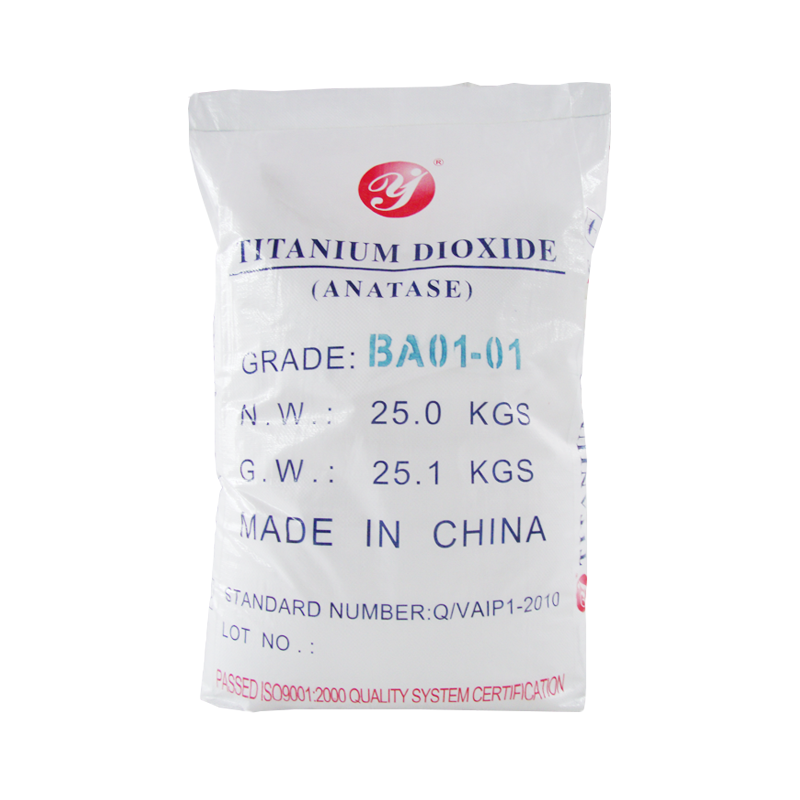
Rutile and anatase are two forms of titanium dioxide, also known as TiO2. They are used in many products, from paints to plastics. Understanding the differences between rutile and anatase is important, especially if you want to save money while making your products. At Liangjiang, we focus on providing the right materials that help you keep your costs low without losing quality. So, let’s look closer at these two types of anatase and rutile tio2 and how they affect your expenses.
What Are the Key Differences Between Rutile and Anatase TiO for Cost-Effective Formulations?
Rutile and anatase are different in how they behave and how they can be used. Rutile is known for its strong properties. It gives a brighter white color and is more stable in many conditions. This means that products made with rutile last longer and look better. However, rutile can sometimes be more expensive. Anatase, on the other hand, is usually cheaper and is easier to grind. This makes it popular for people who want to save money. But, it does not have the same strength and brightness as rutile. When you choose between the two, think about what your product needs. If you want something that stands up to wear and tear, rutile might be the better choice. Yet, if your main goal is to save money, anatase could work well, especially for indoor uses where durability is less important. You might even mix both types to get the best of both worlds. Liangjiang offers both rutile and anatase TiO2 to help you find the right balance between cost and quality, ensuring your formulations remain competitive in the market.
What Are the Common Usage Issues with Rutile and Anatase TiO in Industrial Applications?
Using rutile and anatase TiO2 can come with some challenges. For rutile, while it has great stability, it can sometimes be hard to mix with other materials. This can lead to uneven coloring or texture in your final products. Also, the higher cost of rutile means that if you use a lot of it, your production costs can go up significantly. On the flip side, anatase can be easier to work with, but it may not hold up as well over time. This can be an issue if you are making products that need to last, like outdoor paints or coatings. Furthermore, anatase is less effective at blocking UV rays, which can lead to fading in products exposed to sunlight. For many manufacturers, finding the right balance between these two forms of titanium dioxide is key. They often consider the end-use of their products when deciding which type to use. At Liangjiang, we understand these challenges and can help you choose the right anatase tio2 for your specific needs, avoiding common pitfalls that could lead to higher costs or lower quality in your products.
How Rutile and Anatase TiO Can Impact Your Overall Production Costs?
When making products that use titanium dioxide (TiO2), the type you choose can change how much you spend. There are two main types: rutile and anatase. Each one has different strengths and weaknesses. Rutile is often more expensive, but it can give better results in some cases. It is stronger and has a higher ability to reflect light. This means that products made with rutile can look brighter and last longer. For example, if you make paint or coatings, using rutile can help your colors stand out more and resist fading. This can help you sell more because customers like bright and long-lasting colors.
On the other hand, anatase is cheaper and can be used in many products, but it may not work as well in all cases. For example, if you are creating something that needs to be very sturdy or reflective, anatase might not be the best choice. However, if you are making products where cost is a big concern, anatase could save you money in the beginning. This means that the type of TiO2 you pick can have a big impact on your overall production costs. At Liangjiang, we understand how important it is to choose the right grade of TiO2. We aim to help you find the balance between cost and quality so you can get the best results for your products without breaking the bank.
How to Optimize Your Formulation Cost with the Right TiO Grade?
Choosing the right grade of TiO2, whether it’s rutile or anatase, is key to optimizing your formulation cost. First, you need to understand what your product needs. If your product is all about great color and durability, rutile might be the better choice, even if it costs more. This means that even though you pay more upfront, you might end up saving money later because your product is better and your customers will buy more. But if you’re making something that doesn’t need to be as strong or colorful, like some plastics or papers, anatase could save you a lot of money.
Another way to optimize costs is to look at how much TiO2 you need in your formulation. If you can use less TiO2 and still get good results, you can save money. It’s important to test different amounts of each type in your products. Sometimes, a small change can lead to big savings. Also, consider the processes you use to make your products. If your production method works better with one grade of TiO2 than another, it could save you time and money. At Liangjiang, we can help you find the right balance between quality and cost. Our team can guide you in testing different formulations to see which works best for your needs.
Where to Source Affordable Rutile and Anatase TiO for Wholesale Purchases?
Finding affordable sources for rutile and anatase TiO2 is important for keeping your costs down. At Liangjiang, we focus on providing high-quality TiO2 at competitive prices. One of the best ways to find good deals is to buy in bulk. Many suppliers, including us, offer discounts for larger orders. This means that the more you buy, the less you pay per unit. It’s a great way to save money if you know you will need a lot of TiO2 for your products.
Another important tip is to compare different suppliers. Look for those who have a good reputation for quality and service. Sometimes, a lower price can mean lower quality, which can cost you more in the long run. At Liangjiang, we ensure that our customers receive high-quality products, so you can trust that you are getting good value for your money. Also, consider looking for local suppliers. They may save you money on shipping costs, which can add up quickly when ordering materials like titanium dioxide anatase. Finally, always ask about any special offers or promotions. At Liangjiang, we often have deals that can help you save even more when you purchase our TiO2. This way, you can keep your production costs low while making sure your products are top-notch.
Table of Contents
- What Are the Key Differences Between Rutile and Anatase TiO for Cost-Effective Formulations?
- What Are the Common Usage Issues with Rutile and Anatase TiO in Industrial Applications?
- How Rutile and Anatase TiO Can Impact Your Overall Production Costs?
- How to Optimize Your Formulation Cost with the Right TiO Grade?
- Where to Source Affordable Rutile and Anatase TiO for Wholesale Purchases?