 EN
EN

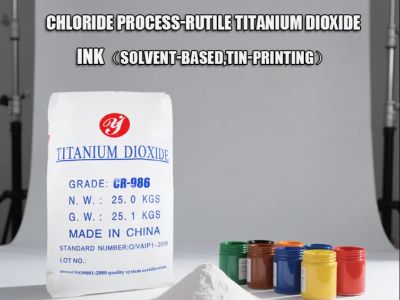
In the world of manufacturing, quality is very important, especially when it comes to Titanium Dioxide, or TiO. Companies like Liangjiang need to make sure their products meet high standards without always sending samples to a lab for testing. This can save time and money. One way to do this is by using reliable methods to check the quality of TiO right on the factory floor. These methods can help workers find issues quickly and fix them before they become bigger problems. By doing this, companies can keep their customers happy and their production running smoothly.
Where to Find Reliable Methods for Assessing TiO Quality?
Finding good ways to check the quality of TiO can be tricky, but there are many resources available. One option is to look at online courses or workshops that focus on quality control in manufacturing. Chloride process rutile titanium dioxide can provide valuable information on techniques that workers can use right away. For instance, some companies offer training that teaches how to use tools like spectrophotometers, which help in checking the color and purity of TiO. Understanding how to read the results from these devices is important. Additionally, industry publications often share case studies and articles about successful quality checks. These stories can give insight into methods that others have tried and found useful. Liangjiang also collaborates with experts who can help develop tailored techniques for assessing TiO quality. It’s a great idea to use a combination of these resources to create an effective quality check system. Regular team meetings can also allow workers to share tips and tricks they discover while working. This makes the process more collaborative and encourages everyone to be involved in maintaining quality.
What Common Issues Arise in TiO Quality Verification and How to Avoid Them?
When checking TiO quality, there are some common problems that can happen. One big issue is human error. Sometimes, people might make mistakes when using tools or reading results. To avoid this, it’s important to have clear instructions and training. Liangjiang makes sure all workers know how to use equipment properly. Another common issue is equipment malfunction. If the machines used for testing are not working well, TiO₂ for Coatings and Paints can lead to wrong results. Regular maintenance of equipment is key to preventing this. Also, sometimes the materials used can change, which can affect the TiO quality. Keeping good records of all materials used helps track any changes over time. This way, if a problem arises, it can be traced back to its source. Finally, communication is essential. If workers do not share findings or concerns, problems can go unnoticed. Liangjiang encourages open lines of communication, so everyone feels comfortable reporting issues. By addressing these common problems, companies can ensure better quality verification for TiO and keep their production running smoothly.
How to Monitor TiO Quality Consistently for Wholesale Suppliers?
When wholesale suppliers want to make sure their TiO (Titanium Dioxide) is good quality, they need to check TiO₂ for Plastics and Polymers regularly. This is important because TiO is used in many products like paint, plastics, and even food. To keep track of the quality without sending samples to a lab all the time, suppliers can set up a routine. First, they can create a checklist of important things to look for. For example, they should check for color, texture, and how well it mixes with other materials. These checks can be done right on the spot, saving time and money.
Next, suppliers can train their workers to recognize signs of bad quality. This means teaching them what good TiO looks like and what bad TiO might look like. If a worker notices something wrong, they can report it right away. This helps catch problems before they become big issues. Another way to monitor TiO quality is by keeping records. Suppliers can write down what they find during their checks. This way, they can see if there are any patterns over time. If the quality starts to drop, they can figure out why and fix it.
Lastly, suppliers should communicate with their customers. If a customer complains about TiO quality, suppliers can investigate quickly. It’s important to listen to feedback because it helps improve the product. By having a good monitoring system in place, suppliers like Liangjiang can ensure they provide the best TiO to their customers.
What Tools Can Help You Verify TiO Quality On-Site?
There are many tools that can help suppliers check the quality of TiO right where they work. One of the most common tools is a color meter. A color meter helps measure the color of the TiO. Since color is an important part of quality, using this tool can show if the TiO is the right shade. This is especially important for products like paint, where the color must be perfect.
Another helpful tool is a particle size analyzer. This tool checks the size of the tiny particles in TiO. If the particles are too big or too small, it can affect how the TiO works in products. By using this analyzer, suppliers can make sure their TiO has the right particle size. Additionally, there are scales that can measure weight accurately. This is important because the right amount of TiO is needed for different products. If there’s too much or too little, it can change the final product.
Some suppliers also use simple test kits that can show if there are any impurities in the TiO. These kits are easy to use and can give quick results. For those who want more advanced tools, there are handheld devices that can analyze the chemical makeup of TiO. These devices can tell suppliers if the TiO meets industry standards. By using these tools, suppliers like Liangjiang can verify the quality of TiO right on-site, making the process faster and more effective.
Where to Learn About Innovative TiO Quality Verification Techniques?
Learning about new ways to check TiO quality is important for suppliers who want to stay ahead. One great place to start is online. There are many websites and forums where experts share their knowledge. For example, suppliers can look for articles, videos, and webinars that teach about the latest techniques in quality verification. These resources are often free and can provide valuable information that helps suppliers improve their practices.
Another good option is to attend workshops or conferences focused on TiO and its uses. At these events, suppliers can meet others in the industry, share ideas, and learn from experts. This is a great way to discover new tools and methods that can make checking TiO quality easier and more accurate. Networking with other suppliers can also lead to partnerships, where they can share best practices.
Finally, suppliers can reach out to universities or research institutions. Many colleges have programs that study materials like TiO. They often have the latest research and can provide guidance on innovative techniques. Suppliers like Liangjiang can benefit greatly from these connections, as they can learn from the latest studies and apply that knowledge to their own quality checks. By being open to new ideas and learning opportunities, suppliers can ensure they are using the best methods to verify TiO quality.
Table of Contents
- Where to Find Reliable Methods for Assessing TiO Quality?
- What Common Issues Arise in TiO Quality Verification and How to Avoid Them?
- How to Monitor TiO Quality Consistently for Wholesale Suppliers?
- What Tools Can Help You Verify TiO Quality On-Site?
- Where to Learn About Innovative TiO Quality Verification Techniques?