 EN
EN

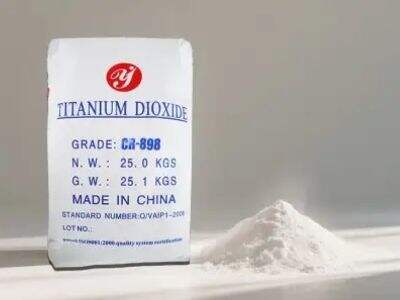
Basic materials that companies need to produce products is called raw materials. For companies such as Liangjiang which produce titanium dioxide, these prices vary. The cost of these raw materials influence the cost of TiO2, meaning if the cost of these raw materials increase, the cost of theTiO2 increases. Conversely if the price of the raw material decreases the price of the TiO2 would likely decrease also. Knowing this is important for business and for purchasers, allowing the most advantageous purchases to be made.
How Raw Material Costs Influence TiO2 Prices?
There is a significant link between raw material costs and the selling price of TiO2. The key minerals used in the production of TiO2 are known as rutile, ilmenite and anatase, if these prices rise then a supplier such as Liangjiang is under cost pressures. For example, an 'unforeseen' event such as mining disaster would lead to the price of ilmenite increasing, resulting in higher TiO2 prices.
Furthermore, world trade relations between different countries effect the raw material price. A trade war between two large nations could result in higher tariffs being applied, raising the raw material price. The price of fuel influences prices of transporting the raw materials to the processing plants. High fuel prices would result in an increased shipping charge, and thus increase the final cost of the TiO2.
It can be seen that the reverse is also true and low raw material prices could lead to lower TiO2 prices. A recent invention leading to easier extraction of ilmenite means that the price could potentially be lowered for the customer who wishes to purchase this product.
It is thus clear that prices are influenced heavily by raw materials and these price fluctuations must be monitored closely for any buyer or business, Liangjiang constantly monitor these trends for the customer benefit.
Purchasing of TiO2 considering raw material price fluctuations
A buyer seeking cheap but qualityTiO2 needs to ensure they have good suppliers, such as Liangjiang. When a price increase is likely to occur due to an expected shortage, suppliers who have developed a good relationship with customers can inform them ahead of time, thus allowing them to purchase in advance.
Bulk buying also proves to be an advantageous method of purchase in these situations, when there are significant demands for TiO2, businesses purchase them in larger quantity when the prices are likely to rise again to gain financially in the long term. This method is predominantly adopted by industries that use a significant quantity of titanium dioxide.
Fixed price agreements are another alternative, where the purchase is made at a predetermined price, and is binding regardless of subsequent fluctuations, thus eliminating price volatility at a certain point in time, which offers significant reassurance to any consumer or business facing a dynamic market.
This is made even easier through the use of trend reports, and Liangjiang aims to offer a service whereby it uses its experience to determine the cheapest and best priced purchase for its clients.
The problems of utilizing TiO2 in bulk applications
White powder TiO2 is used extensively in paints, plastics and food coloring; it has whitening qualities but when used in bulk these issues become evident. Quality issues can arise if it does not meet the quality standards expected, or it is not pure enough. The level of impurities would affect the way theTiO2 reacts and produce an inconsistent appearance within a finished product, e. g. The shade of a paint or color of a plastic could alter, or appear uneven. It is important to ensure that the right type of TiO2 is bought for the job required, some brands perform better for the specific application.
Another issue is mixing which can be extremely difficult within certain paints and produce lumpy, uneven finishes. All problems with utilizing TiO2 in bulk are considered when purchasing; Liangjiang offers high-quality product that can be mixed correctly, and have all the requirements needed for optimal results within a given application. Safety can also be a concern when handling large volumes, dust must be avoided to prevent potential respiratory damage, a common problem with powder products, and precautions are therefore put in place to monitor these issues at Liangjiang.
Finding cheap high quality TiO2
Purchasing cheap and high-qualityTiO2 is no longer the difficult task it once was, with so many suppliers, and the ever increasing demand for the product it can be challenging to locate competitive prices. Online services often display a variety of products at differing price scales, allowing for straightforward comparison. Liangjiang clearly displays a product list with excellent prices allowing an affordable purchase of their quality product to be made quickly and easily.
Alternatively attending trade shows allows the opportunity to establish and develop relationships with suppliers of the product and arrange discounts, ensuring better prices in the future.
Bulk buying is often the only answer for the bulk purchasing sector and often the only feasible price advantage that suppliers can afford to give. This means customers receive an effective discount per unit. Grouping orders also serves to ensure further price reductions as larger consignments result in better per-unit discounts for the client.
The key to finding the optimum deal lies within thorough research, by doing so users can establish that buying bulk or grouping orders can offer substantial discounts and allow significant financial savings over time.
How Supply Chain Issues of raw materials affect TiO2 price stability?
The prices of titanium dioxide is closely related to the supply chain of the raw materials from which it is made, such as anatase, ilmenite and rutile which are mined then processed. Any supply chain issue will affect TiO2 price, for example a closure of a mine or transport disruption can create short term or long term shortages and lead to a price increase. Mining is also resource intensive so energy prices are high when energy is expensive and thus raw materials would be cheaper at lower prices. The prices at Liangjiang are stable because they are constantly considering the suppliers, the quality they offer, and the stability of the supply chain which in turn can assure customers a good price without any concern.
Weather patterns can also affect raw supply chains; storms delay shipments or mine access, meaning lessTiO2 is being processed at a given time and demand would outweigh supply leading to price rises.
There are solutions for most of these problems; for example ensuring multiple suppliers means that they are not reliant on one mining company, or transportation company. Price stability can be ensured for customers through careful planning and managing these factors.